

Abdalle Ahmed Mumin
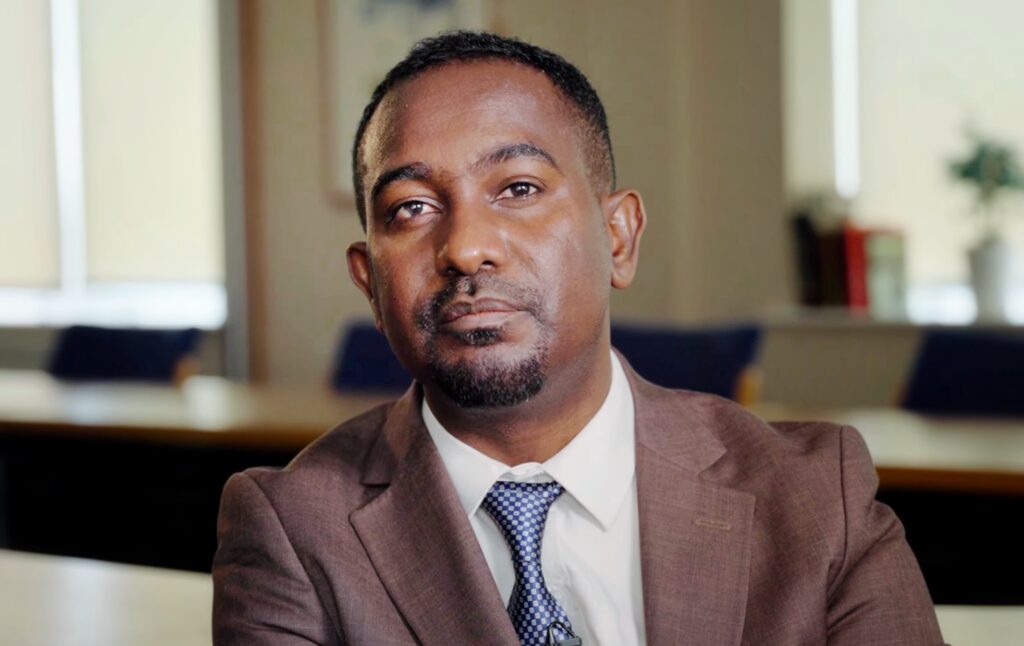
Abdalle Ahmed Mumin is a prominent Somali journalist and human rights activist who has spent years defending press freedom in one of the world’s most dangerous environments for journalists. He is co-founder and Secretary General of the Somali Journalists Syndicate (SJS), an organization that advocates for journalists’ rights, documents attacks against media workers and provides support to journalists facing threats and persecution. Mumin’s work has exposed him to significant personal danger. He has faced death threats and survived an attempted shooting, yet continued reporting and advocating for independent journalism. In 2022, Somali authorities arrested and detained him after he and other media organizations publicly challenged a government directive they feared could be used to restrict legitimate reporting. He was subsequently subjected to months of judicial harassment and was convicted of disobeying government orders. International press freedom organizations condemned the proceedings as an effort to silence his advocacy. Despite displacement, detention, threats and persecution, Mumin has continued to speak out for journalists and challenge efforts to suppress independent media. Through SJS, he remains a powerful advocate for freedom of expression and the right of Somali journalists to report without fear. In 2025, Abdalle Ahmed Mumin received an Honourable Mention from the Allard Prize for International Integrity in recognition of his courage and commitment to press freedom and human rights.
Andréa Ngombet
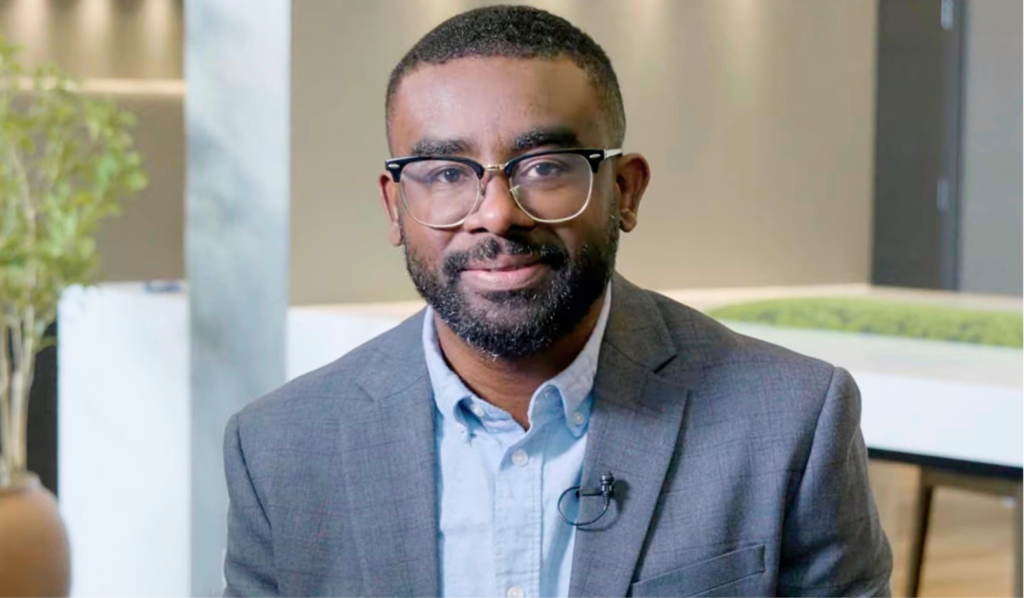
Andréa Ngombet is a Congolese civil society leader, political activist and expert on kleptocracy dedicated to combating corruption and advancing democracy, transparency and the rule of law in the Republic of Congo (Congo-Brazzaville). In 2014, Ngombet founded the Sassoufit Collective, a citizen-led movement that documents and exposes high-level corruption, economic crimes and human rights abuses. The organization has used investigative research, international advocacy and citizen mobilization to challenge kleptocracy and demonstrate how corruption affects the daily lives and fundamental rights of Congolese people. Ngombet’s activism has come at significant personal cost. In 2015, he was assaulted inside the Congolese Embassy in Paris after speaking out against efforts to extend President Denis Sassou Nguesso’s rule. He has continued his advocacy despite threats and exile, working with international organizations and investigative journalists to bring greater attention to corruption and authoritarianism in Congo-Brazzaville. Rather than being silenced, Ngombet has continued to advocate for accountable government and greater civic participation, bringing the struggle against corruption in Congo to an international audience. In 2025, he was recognized with an Honourable Mention from the Allard Prize for International Integrity for his courage and leadership in confronting kleptocracy and defending democratic values.
Virginia Laparra
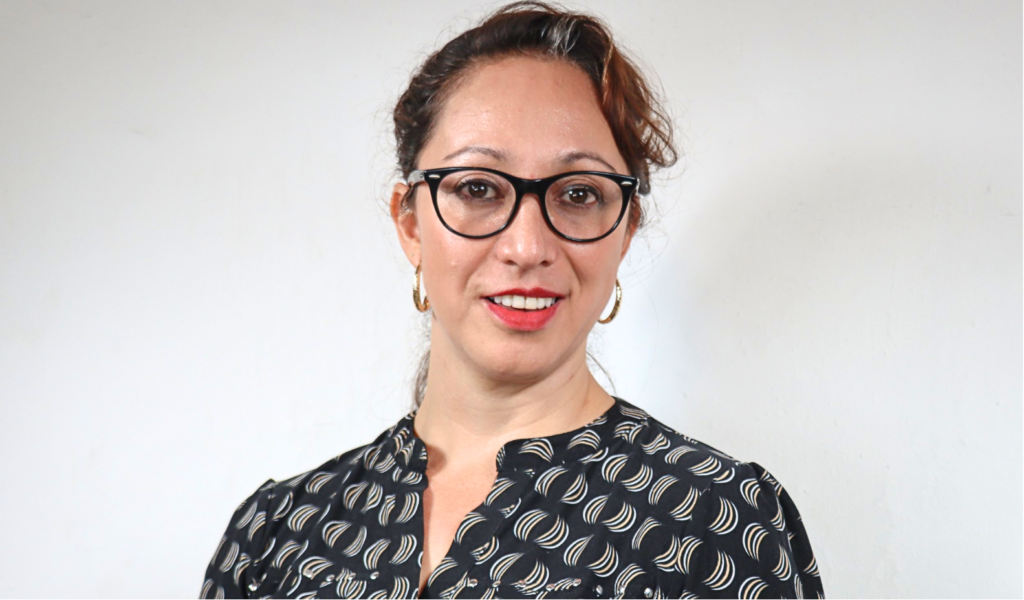
Virginia Laparra is a Guatemalan lawyer and former head of the Special Prosecutor’s Office Against Impunity (FECI) in Quetzaltenango, where she investigated corruption and organized crime and worked to strengthen accountability within Guatemala’s justice system. Her anti-corruption work ultimately made her a target. After raising concerns about a judge who she believed had disclosed confidential information relating to a corruption case, Laparra faced criminal proceedings that were widely condemned by international human rights organizations. She was arrested in February 2022 and spent 680 days in detention, including months in solitary confinement, before being released to house arrest in January 2024. The United Nations Working Group on Arbitrary Detention determined that her detention was arbitrary and called for her release. In July 2024, Laparra was convicted in a second case connected to her work as a prosecutor. Facing continued prosecution and the threat of further imprisonment, she was forced to leave Guatemala and live in exile. Despite the enormous personal cost of her work, Laparra has remained an outspoken advocate for justice, accountability and the rule of law. In 2025, Virginia Laparra was awarded the Allard Prize for International Integrity in recognition of her exceptional courage and commitment to combating corruption and defending the rule of law.
International Consortium of Investigative Journalists (ICIJ)
The International Consortium of Investigative Journalists (ICIJ) is an independent global network of 280 journalists across more than 100 countries. In addition to running their own independent newsroom, ICIJ has directed the largest cross-border collaborations in history, convincing reporters across the globe to set aside traditional rivalries to uncover corruption, abuses of power and grave harms inflicted on the world’s most vulnerable people. ICIJ has introduced innovative developments to journalistic infrastructure that have allowed hundreds of journalists to jointly gather, share, and investigate millions of documents to expose broken systems and widespread wrongdoing. These innovations have facilitated many ground-breaking reports including the Panama Papers, the Pandora Papers, and the Luxembourg Leaks, among others. Their unique contributions have resulted in criminal investigations in numerous countries and invited greater scrutiny into the gaps and loopholes that allow systemic corruption to continue.
Ismael Bojórquez Perea
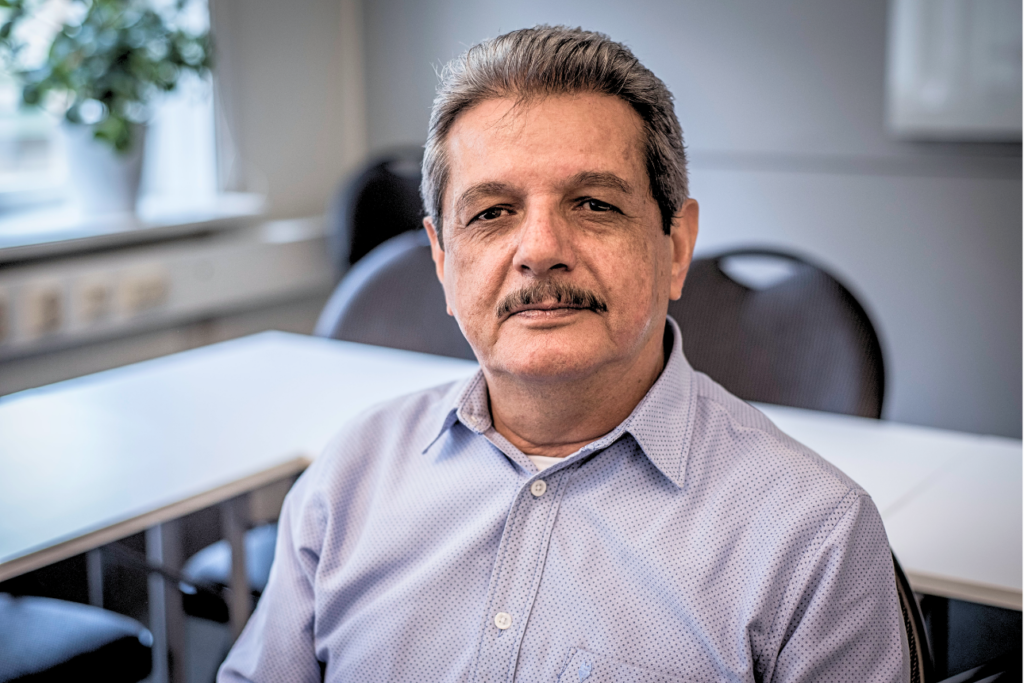
Ismael Bojórquez Perea is an investigative journalist based in Mexico. In 2003, Bojórquez co-founded Ríodoce, a weekly newspaper that reports on drug trafficking, crime, and corruption in Sinaloa. Due to the power of cartels in Sinaloa, Bojórquez and the Ríodoce team came under attack for their honest reporting, which shed light on the pervasive corruption and criminality in the region. The office has been targeted with intimidation, harassment, and violence, and Bojorquez himself was directly targeted by spyware. In 2017, Ríodoce co-founder Javier Valdes Cárdenas was murdered outside the Ríodoce office. Bojórquez vowed to be more cautious while renewing his commitment to investigative journalism. Bojórquez has been an outspoken voice in defense of journalism and press freedom and has criticized the government for failing to protect and defend journalists.
Pavla Holcová
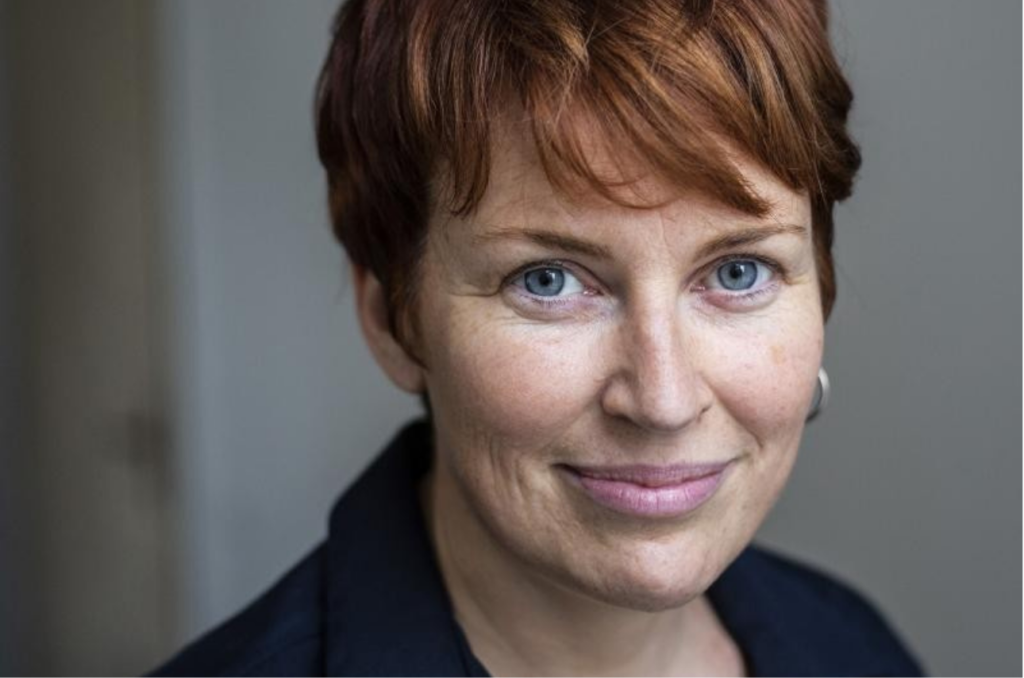
Pavla Holcová work as a human rights defender and later as a journalist led her to uncover high-level corruption and criminality across the globe. In 2013, Holcová founded the Czech Centre for Investigative Journalism, an independent news outlet that contributes to other journalism initiatives, including the Organized Crime and Corruption Reporting Project (OCCRP). Together with her colleagues, Holcová has contributed to many ground-breaking investigations, including the Azerbaijani Laundromat and the Paradise Papers. Her work uncovering these criminal networks made her and her colleagues targets for smear campaigns, harassment, and violence. In 2018, Holcová’s colleague, Ján Kuciak, was murdered along with his fiancé while investigating a new story on corrupt dealings between the Slovak government and organized crime entities. Instead of silencing her, Jan’s death renewed Pavla’s resolve, and she carried on with his investigation, determined to publish the story and demand justice for Jan. The investigation contributed to the fall of the Slovak government and led to several criminal investigations and charges.
International Commission against Impunity in Guatemala (CICIG)
The International Commission against Impunity in Guatemala (CICIG) was created in 2007 in a joint agreement between the United Nations and the Guatemalan government. The Commission was designed to strengthen and support Guatemala’s judicial institutions and to investigate and prosecute corrupt actors and criminal groups that had infiltrated state institutions following Guatemala’s decades-long civil war. CICIG led over 120 cases and exposed more than 70 criminal networks, revealing the true extent of corruption and criminal activity in the country. The Commission’s efforts led to the removal of more than a dozen corrupt judges and the expulsion of more than 1,700 officers from the National Civilian Police. CICIG also sought to create more just and transparent judicial institutions by promoting major legal reforms to improve Guatemala’s investigative and prosecutorial capacity and responsiveness. CICIG’s efforts reduced impunity rates for violent crimes and restored Guatemalan peoples’ trust in the justice system. A 2017 poll showed that 70% of Guatemalan people had confidence in CICIG, and the Attorney General’s Office had one of the highest levels of public trust for a local institution. CICIG ceased operations in 2019, after 12 years in the country. Then-President Jimmy Morales, who had been investigated for corruption, declared CICIG a threat to national security and unilaterally terminated the agreement.
Howard Wilkinson
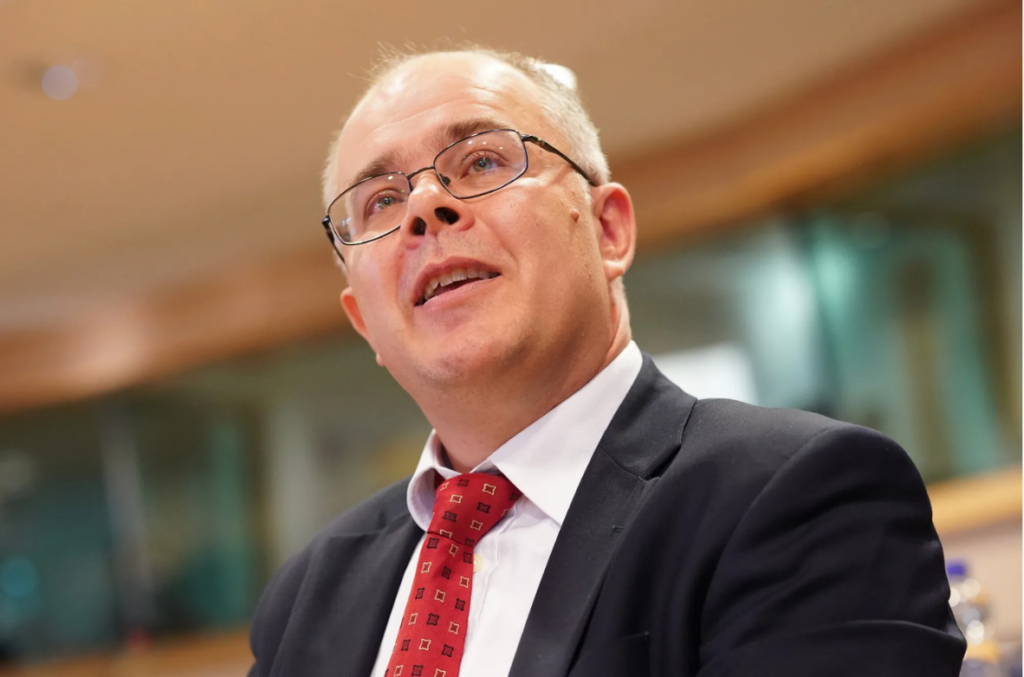
Howard Wilkinson worked in the Baltic Trading Unit of Danske Bank when he discovered irregularities in bank records that suggested possible money laundering. Upon further research, Howard discovered that a number of accounts that had been marked dormant were making transactions worth tens of millions of dollars. Through his investigation, Howard learned that the bank had ignored numerous financial regulations meant to detect and prevent money laundering. Howard submitted four separate reports to the internal audit unit before ultimately resigning from Danske Bank. In 2018, when the scandal broke, Howard’s anonymity was violated when he was identified as the whistleblower. Despite considerable risks to his safety, Howard testified before the European Parliament and advocated for greater protections for whistleblowers and for new regulatory requirements to improve transparency. The scandal led to numerous investigations and criminal charges across Europe. Dankse Bank’s CEO resigned, and Danske Bank was forced to cease operations in Estonia. “Whistleblowers play a very important role in exposing wrongdoing that is otherwise hard to detect,” said Wilkinson. “But all too often whistleblowers are made to suffer for what they have done. I am honoured to receive the Allard Prize. It sends an important message that whistleblowing is important and that whistleblowers should be valued in building the sort of society we all want to live in.”
Daphne Caruana Galizia
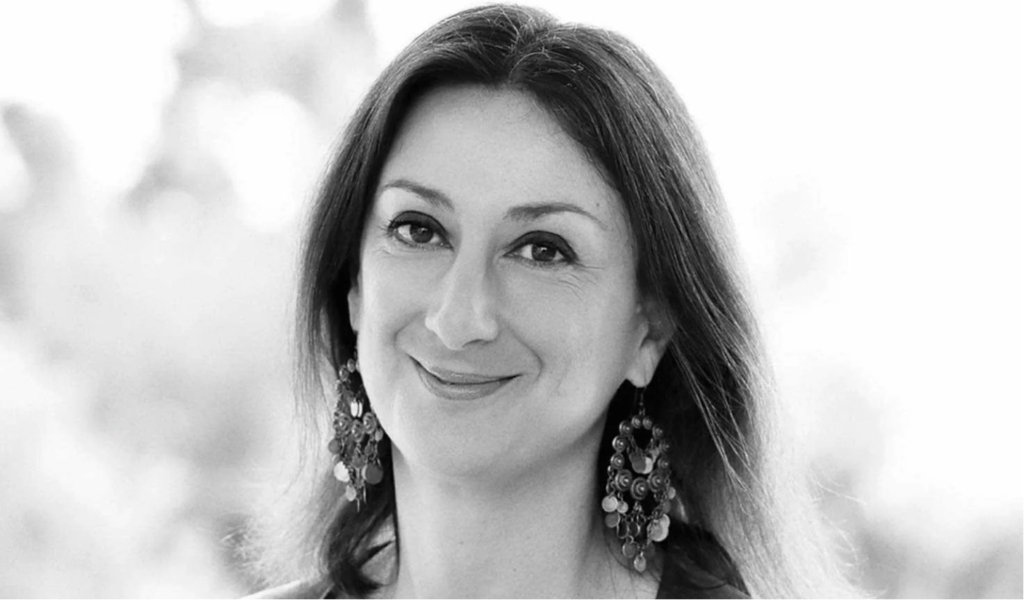
Daphne Caruana Galizia worked as an investigative journalist, blogger, and anti-corruption activist for over 30 years. Daphne focused much of her investigative work on uncovering crime and corruption in Malta’s ruling class. She began her journalism career as a columnist in Maltese newspapers and worked for The Sunday Times of Malta and The Malta Independent, among other publications. In 2008, she started a blog, Running Commentary. The blog gained a large following and quickly became one of the most popular websites in Malta, regularly attracting more readers than the entire country’s newspapers combined. The nature of her reporting made her a target for abuse, slander, and intimidation by those she was exposing. She received near-daily threats and attacks intended to silence her; despite the barrage of violence and intimidation, Daphne continued her work. In 2016 following the release of the Panama Papers documents, Caruana Galizia uncovered that two high-ranking government officials were the beneficiaries of secret offshore accounts. She discovered that the officials were also due to receive payments from 17 Black Limited, another Panama shell company owned by businessman, Yorgen Fenech. On October 16, 2017, Daphne was killed after a bomb placed in her car detonated. Her death sparked protests around the country; demonstrators took to the streets to protest rampant corruption in Malta and to demand justice for Daphne’s death. The demonstrations triggered a political crisis resulting in the resignation of several government officials, including the Prime Minister. Four individuals – including Yorgen Fenech – have been charged in connection with her murder, but none have yet been convicted. Daphne’s family started the Daphne Caruana Galizia Foundation to continue her work and to support investigative journalists. “Receiving the Allard Prize for International Integrity on behalf of our mother, Daphne Caruana Galizia is both humbling and encouraging,” said Daphne’s family. “It not only recognises her work in exposing corruption and defending the public’s right to know, it also recognises that Daphne should be celebrated for everyone’s sake, because her example of courage, integrity and humour in the face of adversity are so badly needed today and will be for many years to come.” “The financial part of the award will be dedicated to the objectives of the Daphne Caruana Galizia Foundation: ensuring full justice for Daphne and the guardianship of her work; protecting investigative journalists and ending impunity for the murder of journalists; supporting independent, non-partisan media; and supporting public interest litigation and access to justice. We hope that the honour itself will inspire those who have taken up Daphne’s work to never give up and that it will encourage others to take up the fight against corruption and abuse of power.”
Azza Soliman
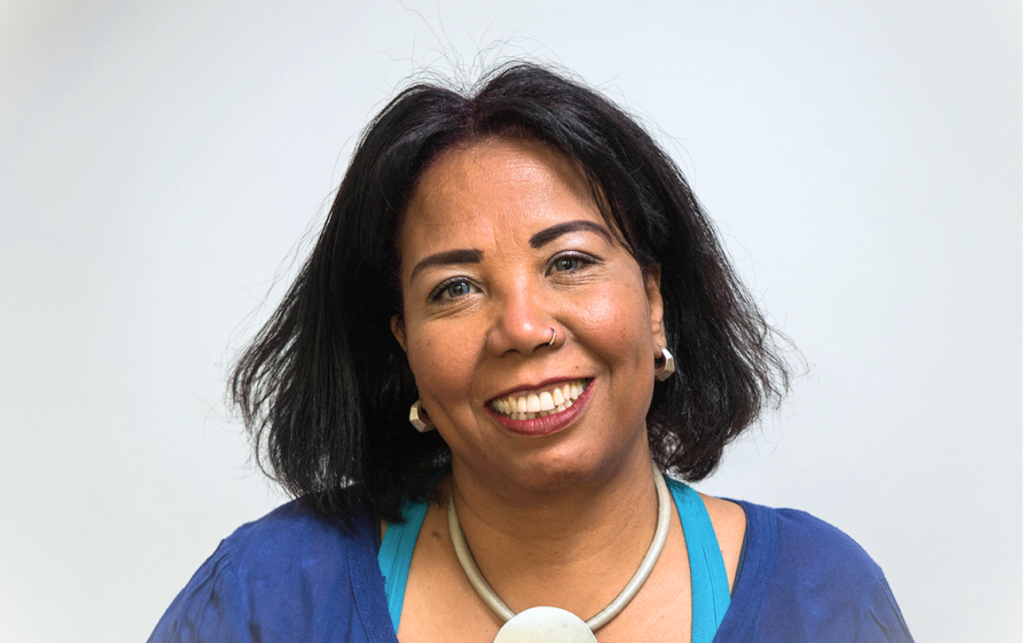
Over the past 25 years, Azza Soliman has dedicated her life to battling corruption and injustice faced by Egyptian women. The prominent women’s rights lawyer has fought for the inclusion of women in political, economic, and social activities, focusing on both the private sphere and the judicial system. As co-founder and current trustee of the Centre for Egyptian Women’s Legal Assistance (CEWLA), she has operated numerous campaigns to promote gender equality through legislative reform and raising awareness of women’s issues in Egypt. Azza has advocated for women since her politically active days in university, where she studied how fatwas contributed to perpetuating violence against women in Egyptian culture. Since then, she has worked extensively to implement training and legal-awareness programs on gender equality and conduct studies on subjects such as violence against women, honour crimes, marital rape, women’s right to divorce, and Egypt’s personal status laws. Because of her work, Azza has faced judicial harassment from an Egyptian government resistant to the missions of NGOs such as CEWLA. In 2015, Azza was unjustly charged with unauthorized protest and public order violations after testifying against a policeman whom she witnessed killing a female human rights defender during a protest. Continuing the Egyptian government’s crackdown on civil society, Azza’s private assets were frozen and she was arrested and interrogated about human rights NGO funding in December 2016. She was released on bail, but still faces ongoing government scrutiny as the public face of women’s rights in Egypt. As a PILnet (the Global Network for Public Interest Law) International Fellow, Azza is developing a project to expand access to legal services for marginalized communities in Egypt. She has also created the Religious Reform & Renewal Forum (RRRF) for social scientists, lawyers, politicians, and religious leaders to discuss relevant issues and causes related to women in Islam. To date, Azza has influenced a number of laws in Egypt, including providing rights for children born out of wedlock and including the mother’s name on all birth certificates. She was also the first to propose a civil law governing divorce, inheritance, and custody — among other rights for both Muslims and Christians — and the Nationality Law for Egyptian women married to non-Egyptians. A tireless advocate for women’s access to justice, Azza continues to serve some of the most economically and politically marginalized women involved in the Egyptian judicial system. What are your thoughts on being selected as a finalist for the Allard Prize? “Being nominated as a finalist for the Allard Prize makes me have a lot of gratitude as well as feel appreciated and motivated. I have been living under oppression in Egypt, which has specially intensified in the past three years. I feel that my nomination is a conformation that my work is acknowledged and needed. Moreover, it reminds me that there is spark of hope in this darkness. It also shows that more people are aware of the oppression that women human rights defenders (WHRDs) are facing in this part of the world. During the last three years, I received messages from many people telling me that I, Azza, am not alone in this fight. Having wide support makes me feel safer in this ugly, scary and tiring fight against an authoritarian regime, which sometimes changes its ways under international pressure. When I was arrested by the police last year, it was national and international pressure that helped me regain my freedom despite the fact that I was released on bail and that I am still among a list of of human rights defenders who risk receiving a life sentence in prison at any moment.” What inspires you to do the work that you do? “What is most inspiring in my work is when I’m able to help marginalised women regain their rights. To see their happiness when we succeed in empowering them and the impact of these victories, even the small ones, on their lives. I’m talking about basic rights: safety, freedom and equality. I see my work growing; the women I helped yesterday are helping other women today. We are speaking of survivors of different kinds of violence — whether domestic, political, social, cultural, religious or economic — [who help] other women survive. They give me hope, hope of a future which is more fair and just. I have a dream; to build an Egypt where there is rule of law. I dream of changing our culture and religious discourse to stop the oppression of women. Together with other resilient and brave women, we shall achieve this dream despite the hardships we are facing today.”